Fortified Seam-Tape Method and Chimney Cricket Details Done Right
Most roofs fail at the details - not the shingles. The chimney base, the panel seams, the underlayment. That's where water finds its way in, and most of the time, nobody even knows it's happening until there's damage inside the house.
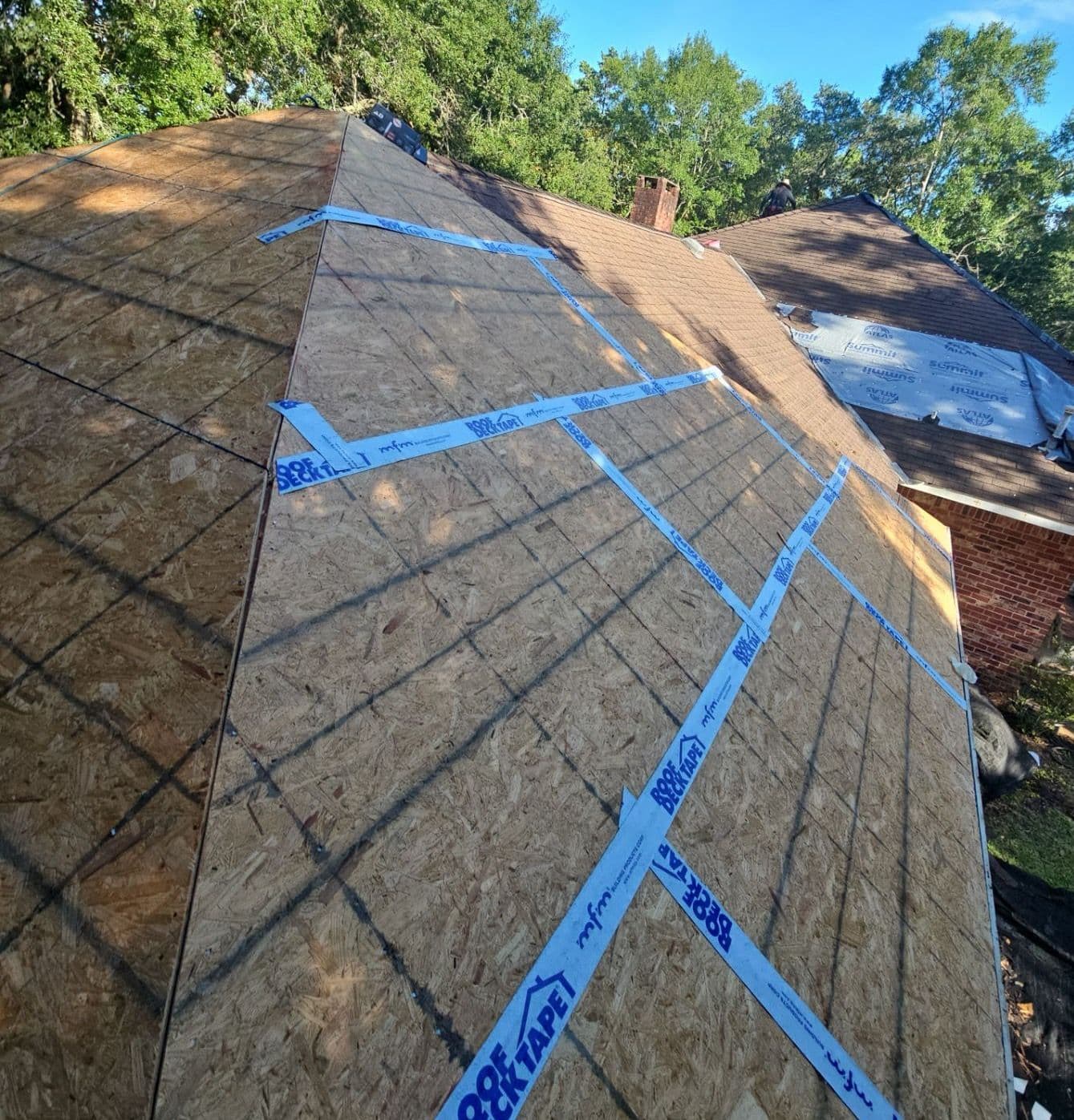
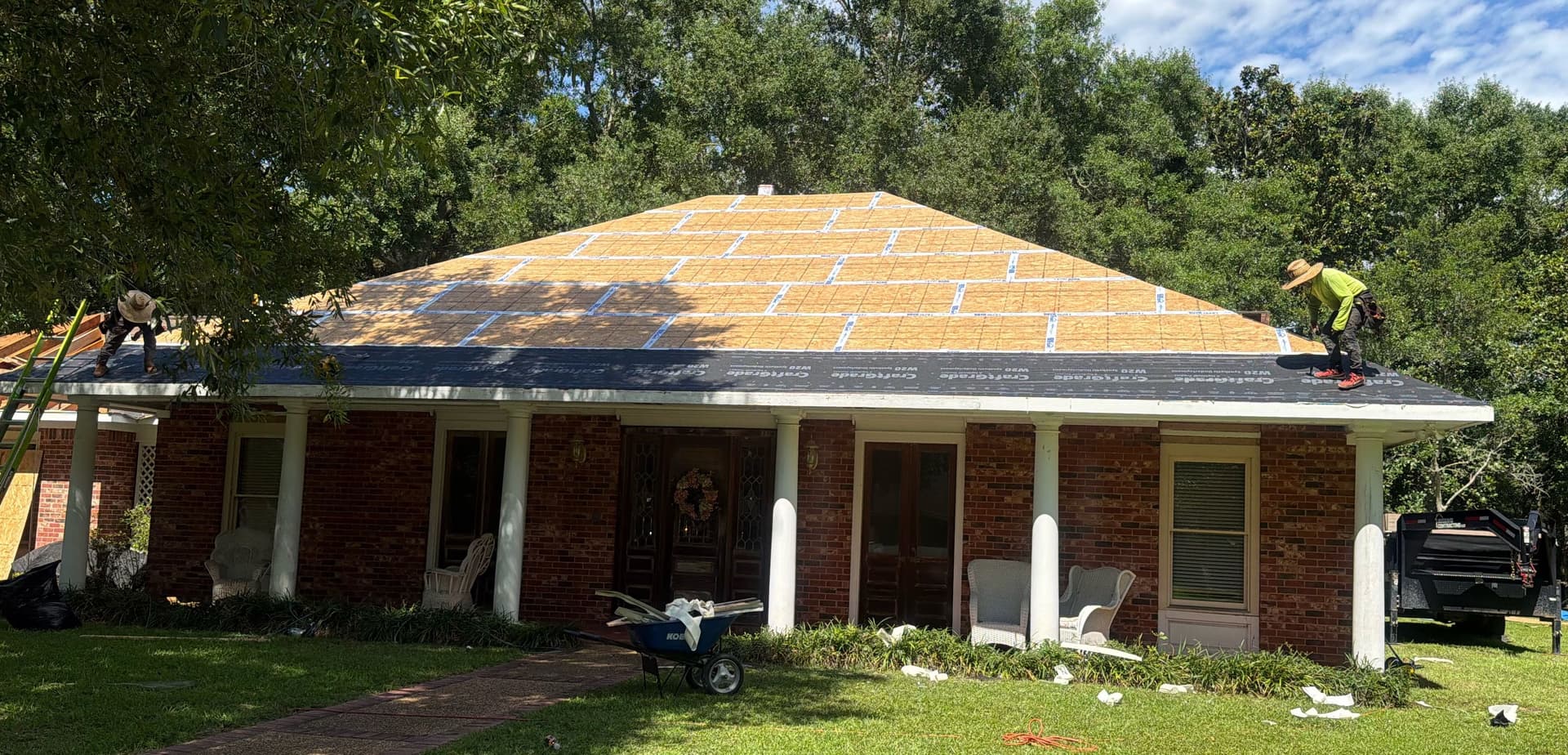
On this job, we went in with a clear game plan. Every panel seam on the deck got taped using the Fortified seam-tape method before anything else went down. That blue MFM Roof Deck Tape you see running across every joint isn't just extra - it's a critical layer of protection that keeps wind-driven rain and moisture from sneaking through the deck itself. It's a step a lot of roofers skip because it takes time. We don't skip it.
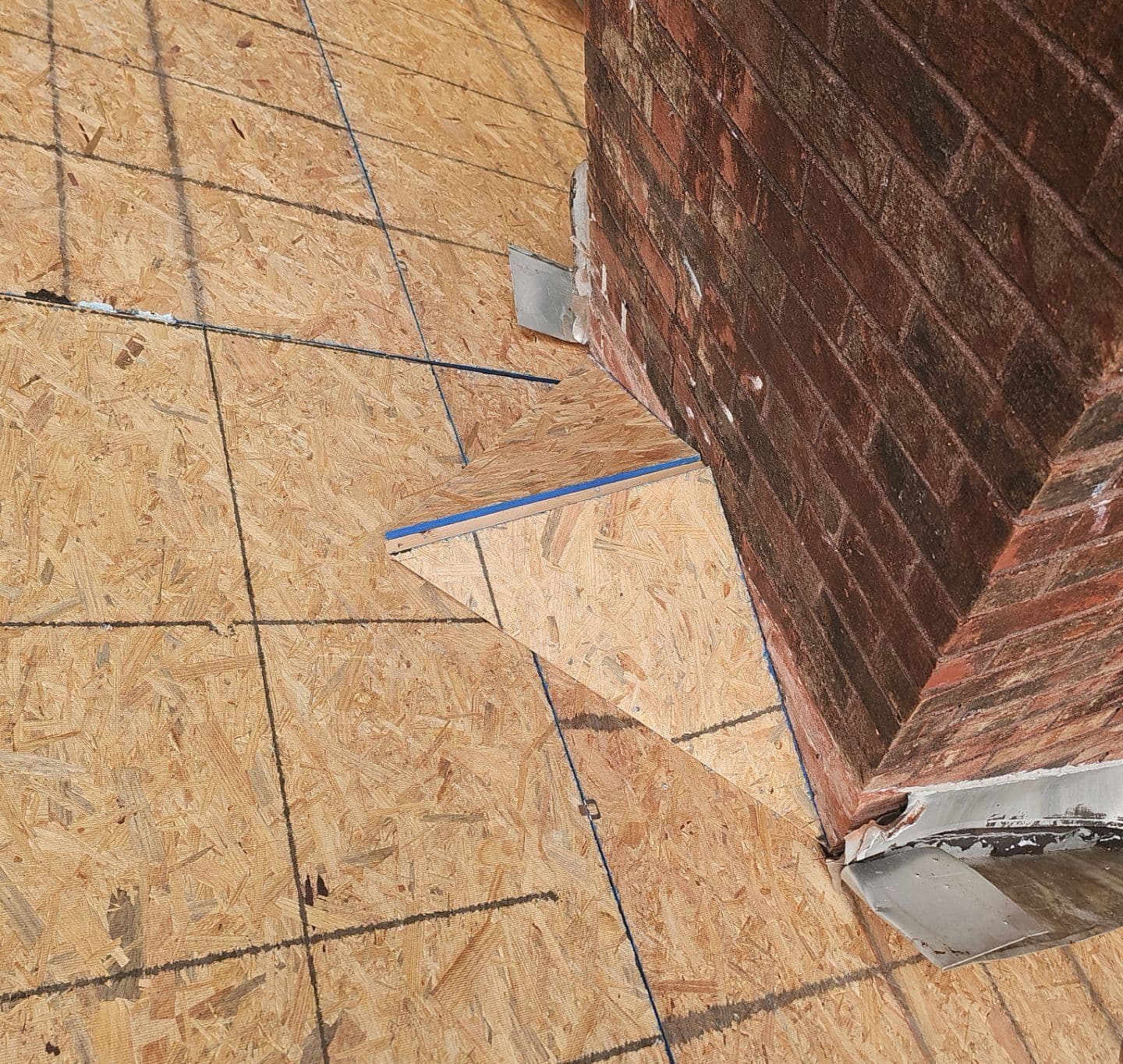
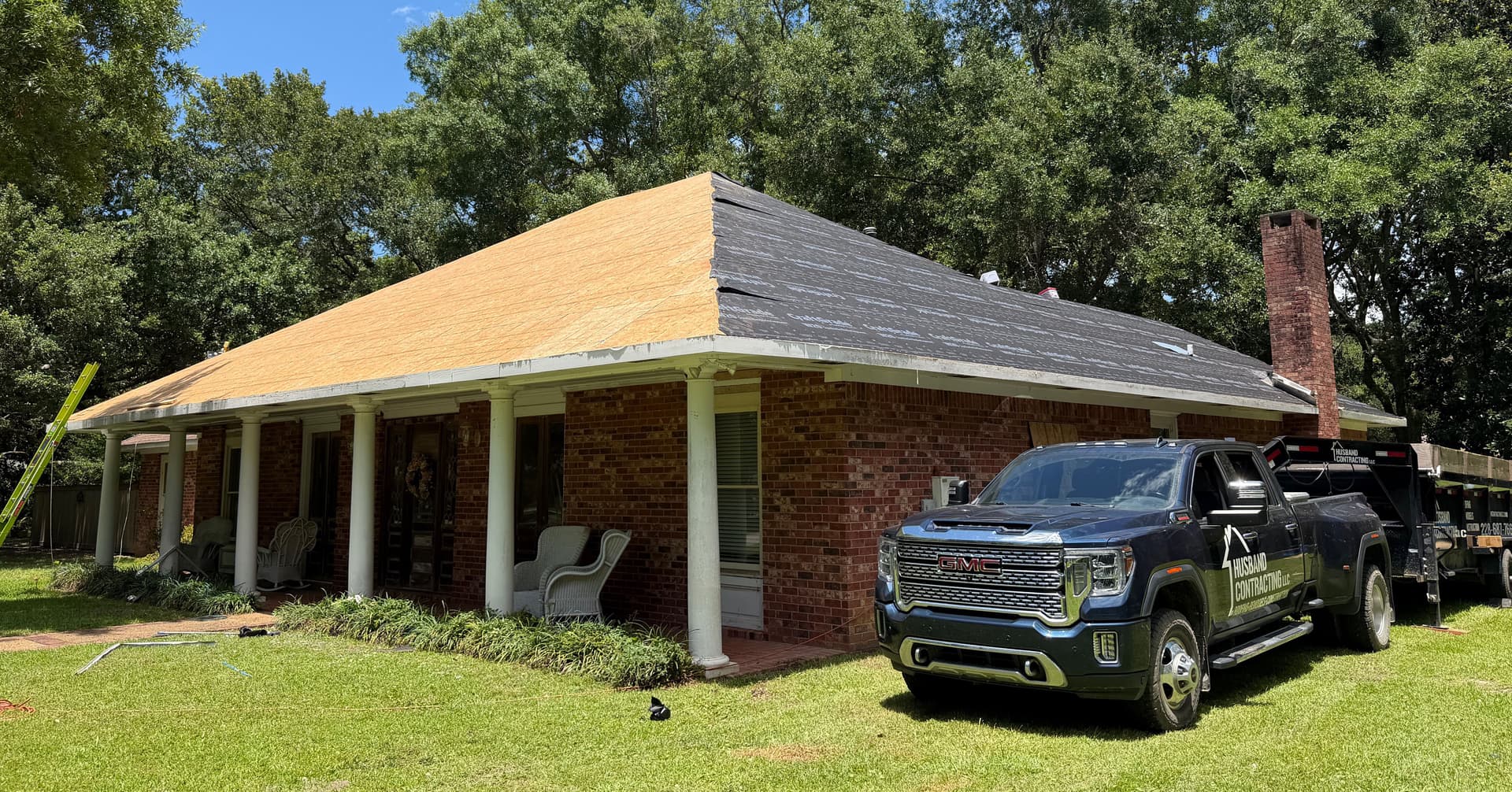
We also built proper chimney crickets at the back side of the chimney. A cricket is basically a small peaked structure that redirects water around the chimney instead of letting it pool behind it. That pooling is one of the most common causes of chimney-related leaks. It's a code-required detail on wider chimneys, but even when it's not required, it's the right call. We built it in from the start.
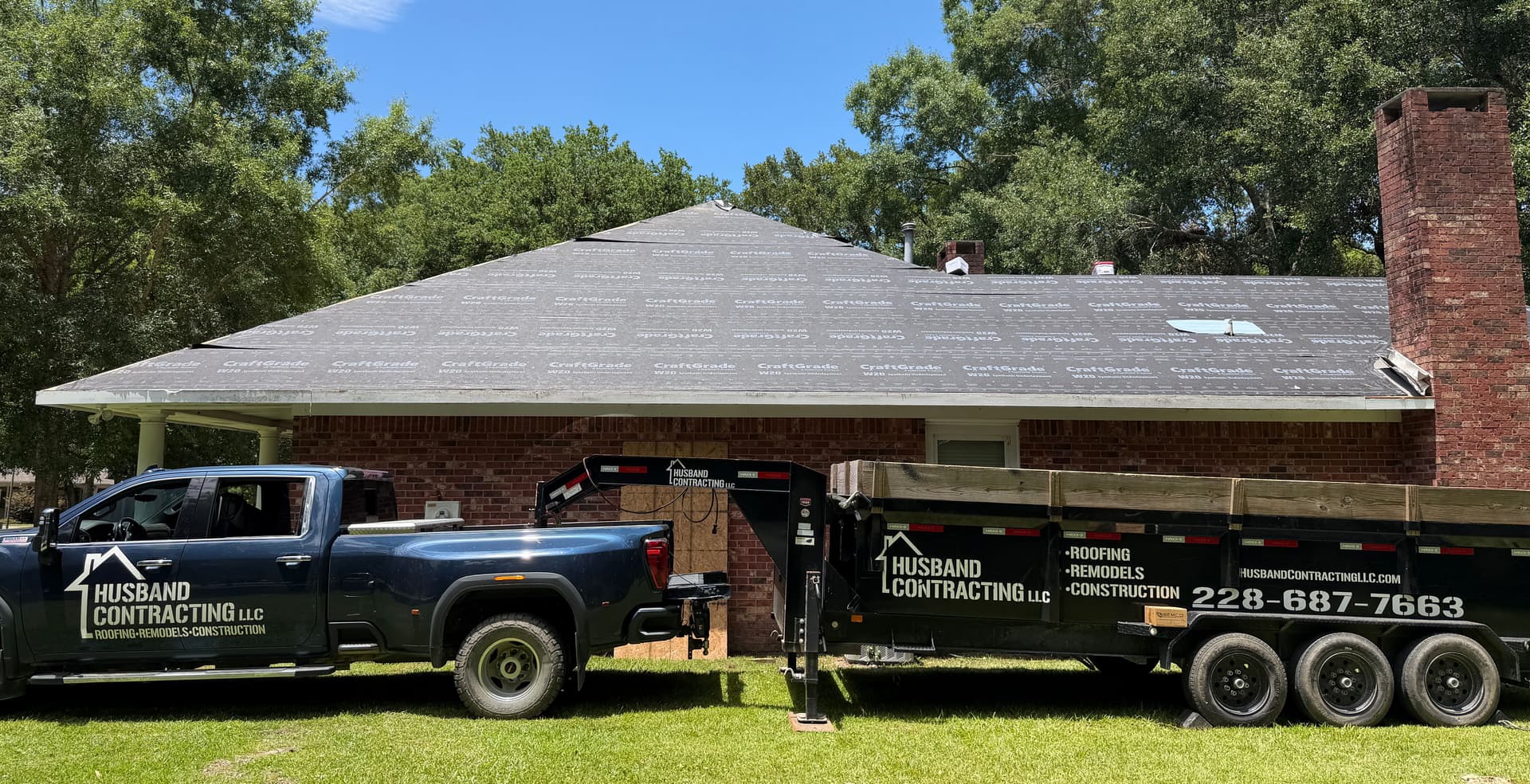
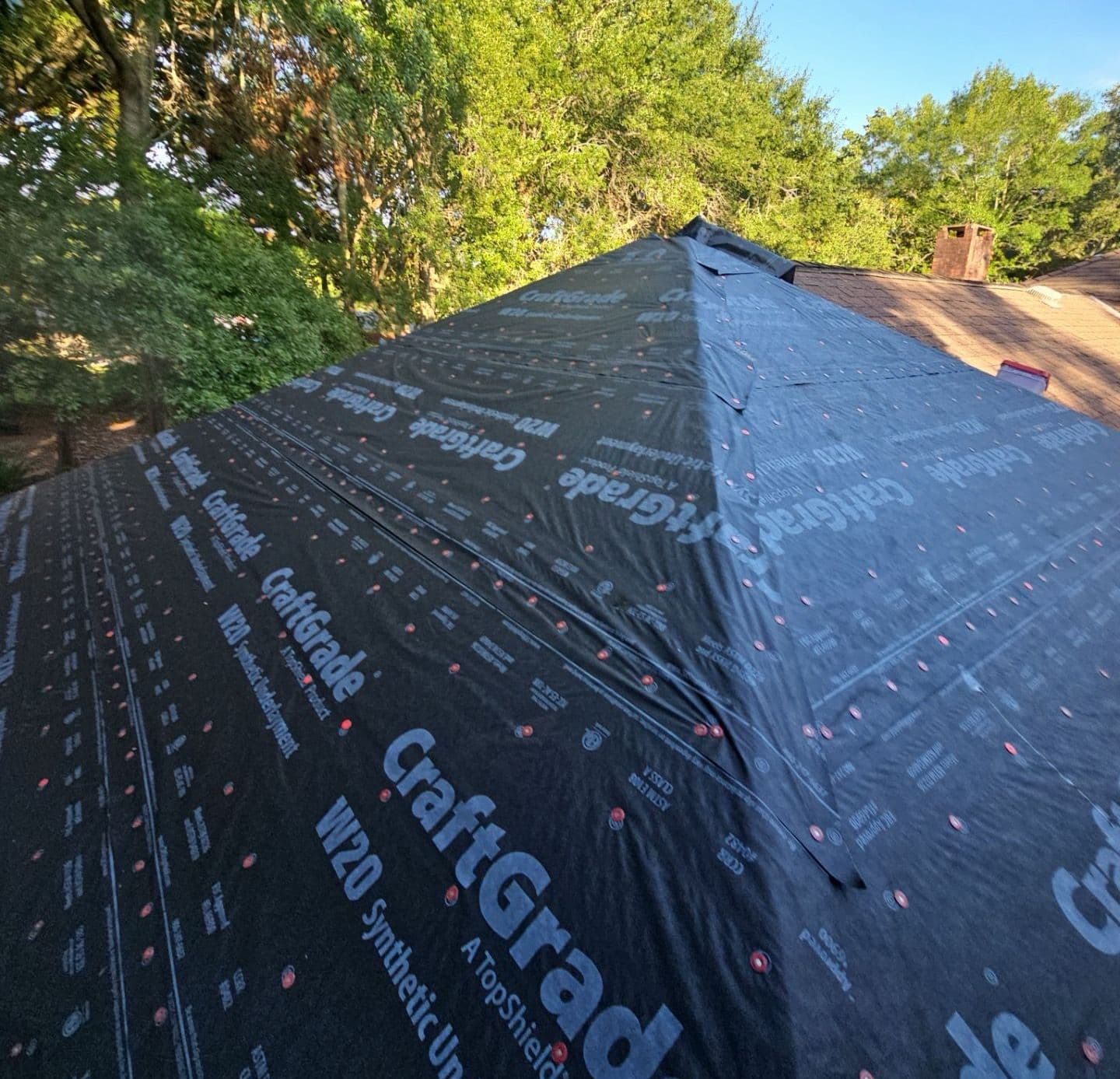
Once the deck prep was solid, we laid CraftGrade W20 synthetic underlayment across the entire roof. Synthetic underlayment is tougher and more moisture-resistant than traditional felt - it holds up better during installation and gives the shingles a cleaner, more stable surface to sit on. The whole system works together: taped seams, proper flashing, quality underlayment. That's what makes a roof actually last.
Doing it right doesn't always mean doing it the most expensive way. It means being smart about where protection matters most, so you're not spending money on repairs down the road. That's what we mean when we say your roof deserves The Good Husband.